
Many people struggle to keep their finances on track, especially when it comes to the immediate future. Developing a strong short-term budget focus is key to achieving financial stability and reaching smaller, more immediate goals. This involves more than just listing your income and expenses; it requires consistent attention, realistic planning, and a clear understanding of where your money goes. By breaking down your financial habits into manageable steps, you can significantly improve your ability to stay within your budget and make progress towards your objectives.
Overview
- Setting clear, achievable short-term financial goals is the foundation for effective budgeting.
- Accurately tracking all income and expenses helps identify spending patterns and areas for improvement.
- Creating a realistic budget that accounts for both necessities and discretionary spending is crucial for adherence.
- Regularly reviewing and adjusting your budget ensures it remains relevant to your current financial situation.
- Automating savings and bill payments can simplify money management and reduce the chance of missed payments.
- Utilizing budgeting tools, apps, or simple spreadsheets can greatly assist in maintaining short-term budget focus.
- Being mindful of impulse spending and practicing delayed gratification strengthens financial discipline.
- Understanding your financial flow over weeks and months provides the clarity needed for sustained budget control.
Setting Clear Goals for Your Short-Term Budget Focus
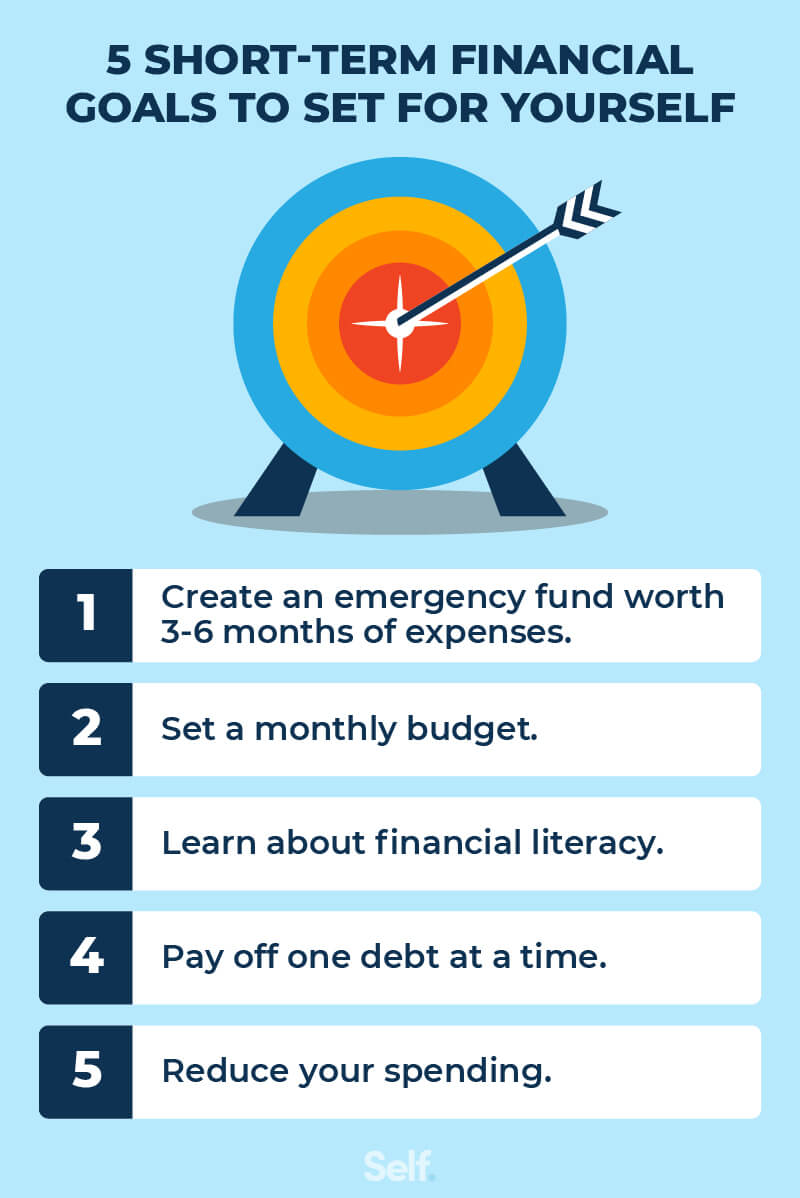
The first step to improving your short-term budget focus is to define what you want to achieve. Without clear goals, your budget lacks direction and motivation. Think about what you want to accomplish in the next three to six months. Is it building an emergency fund of $1,000? Paying off a specific credit card balance? Saving for a much-needed car repair or a small vacation? These types of specific, measurable, achievable, relevant, and time-bound (SMART) goals provide the framework for your budgeting efforts. For instance, if your goal is to save $600 for a new appliance in three months, you know you need to put aside $200 each month. Breaking down larger aspirations into smaller, actionable steps makes the process less daunting and helps you visualize progress, keeping your focus sharp. This clarity is a powerful motivator for sticking to your spending plan.
Tracking and Analyzing Your Spending to Boost Short-Term Budget Focus
You cannot manage what you do not measure. A critical component of improving your short-term budget focus involves diligently tracking every dollar you spend and receive. Many individuals in the US, for example, often underestimate how much they spend on small, recurring items like daily coffee or subscription services. Start by gathering all your financial statements – bank accounts, credit cards, and any cash expenditures. There are various methods for tracking: using a simple spreadsheet, a notebook, or specialized budgeting apps. Whichever method you choose, consistency is key. Categorize your expenses into groups like housing, transportation, food, entertainment, and utilities. After a few weeks of tracking, review your data. Where is your money truly going? Are there “spending leaks” – areas where money is being spent without much thought or return? This analysis provides invaluable insights, helping you identify areas where you can cut back and reallocate funds towards your short-term goals, directly feeding into your budget’s effectiveness.
Creating and Sticking to a Realistic Plan for Short-Term Budget Focus
Once you know your goals and understand your spending habits, it’s time to create a practical budget. A realistic budget is one you can actually follow without feeling deprived or constantly frustrated. For strong short-term budget focus, your plan should allocate funds for all your essential needs first, then for your short-term savings goals, and finally for discretionary spending. Be honest with yourself about your income and your fixed expenses (rent, loan payments, insurance). Then, estimate your variable expenses (groceries, dining out, entertainment) based on your tracking. It’s often helpful to budget a little extra in certain categories to provide flexibility for unexpected costs. A common pitfall is creating an overly restrictive budget that leads to burnout and abandonment. Build in some “fun money” so you don’t feel completely restricted. Regularly review your budget, perhaps weekly or bi-weekly, to see how you are doing. If you consistently overspend in one area, adjust your budget rather than just ignoring it. Small, consistent adjustments make the budget sustainable and help you stick to your plan over time.
Utilizing Tools and Strategies to Maintain Short-Term Budget Focus
To genuinely improve and maintain your short-term budget focus, leverage available tools and adopt smart financial strategies. Budgeting apps (many are free or low-cost) can automate tracking, categorize transactions, and provide visual summaries of your spending. Many banks also offer budgeting features within their online platforms. Another effective strategy is to automate your savings. Set up automatic transfers from your checking account to a separate savings account each payday. Even small, consistent transfers add up quickly and ensure you prioritize saving before you have a chance to spend the money elsewhere. For those who prefer a more tactile approach, the “envelope system” or “cash stuffing” for variable expenses like groceries and entertainment can be highly effective, as it physically limits your spending to the cash you’ve allocated. Regularly checking in with your financial goals, celebrating small wins, and being patient with yourself are also vital. Financial progress is a journey, not a sprint. By combining these practical tools and strategies, you can sustain your short-term budget focus and achieve meaningful financial control.