

Learn expert methods for Lederjacken Qualität Erkennen. Understand leather types, construction, and details to make informed purchases.
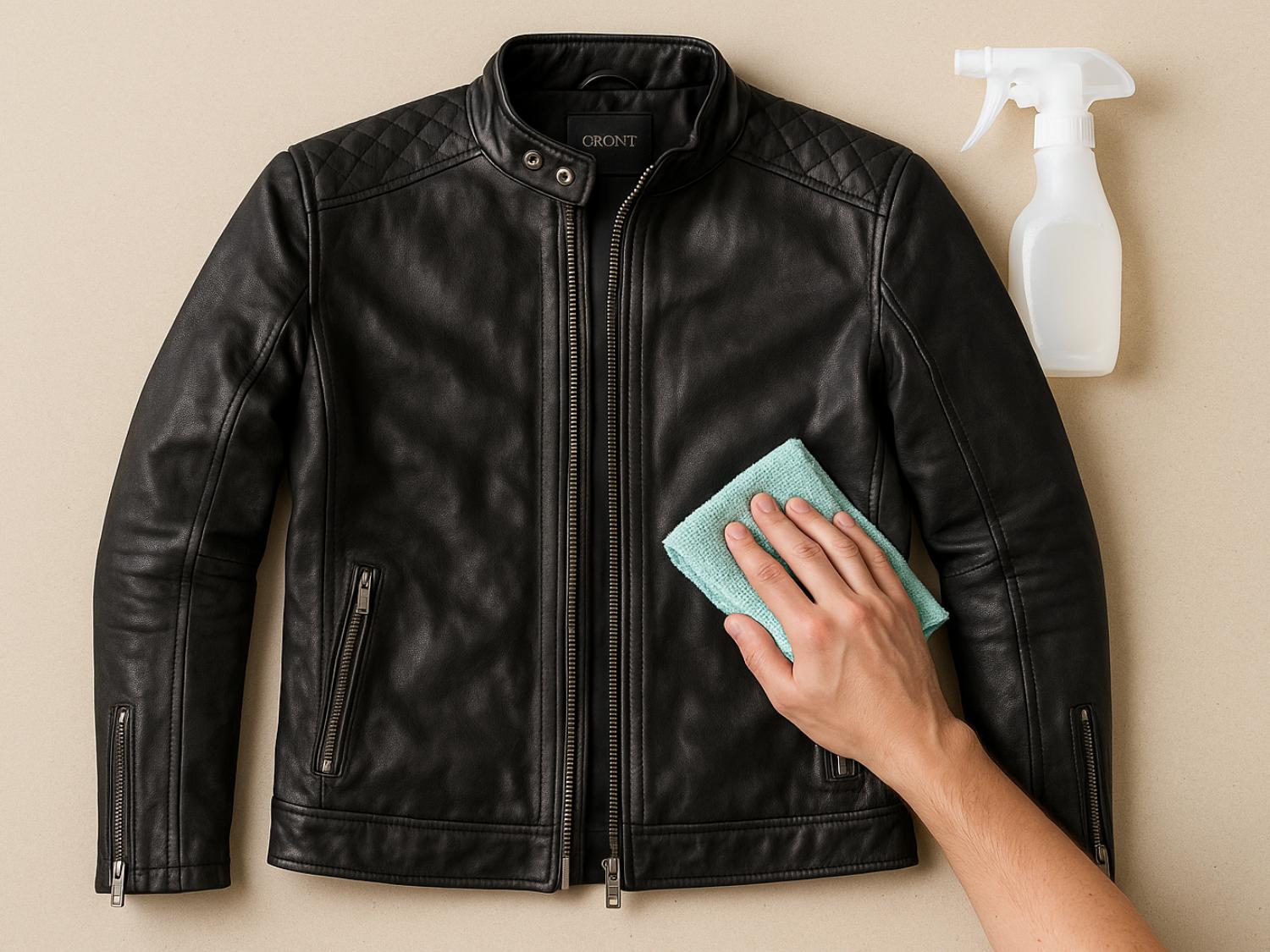
A well-made leather jacket is an investment. It offers style, durability, and a unique character that only improves with age. However, the market is full of options, making it challenging to differentiate between genuine quality and imitation. Drawing from years in the leather goods industry, I’ve learned the subtle indicators that separate exceptional pieces from lesser ones. This knowledge allows you to make confident decisions.
Overview
- Genuine leather quality is determined by its type, tanning process, and animal origin.
- Full-grain leather offers the best durability and develops a unique patina over time.
- Superior craftsmanship involves consistent panel matching and robust seam construction.
- High-grade hardware, such as zippers and snaps, significantly impacts a jacket’s longevity.
- Quality linings should be durable, breathable, and neatly integrated without puckering.
- Sensory checks – feeling, smelling, and even listening to the leather – reveal important characteristics.
- Brand reputation and transparent product information are reliable indicators of quality.
Understanding Leather Types for Lederjacken Qualität Erkennen
The foundation of any good leather jacket is the leather itself. Not all leather is created equal. Understanding different types is crucial for Lederjacken Qualität Erkennen. Full-grain leather is the gold standard. It includes the entire grain layer, showing natural imperfections. This leather is strong, ages beautifully, and develops a rich patina. Top-grain leather is next. It has had the outermost layer sanded or buffed off. This makes it softer but less durable than full-grain.
Corrected-grain leather undergoes extensive processing. It has artificial grains embossed onto its surface. This often hides natural defects. Bonded leather is the lowest quality. It consists of scraps glued together with polyurethane. This material lacks strength and will not last. You can often identify lower grades by an overly uniform look or a synthetic smell. Lambskin is soft and supple, common for fashion jackets. Cowhide is robust and durable, ideal for biker jackets. Goatskin offers a textured feel with good wear resistance. Inspect the texture and feel of the leather.
Craftsmanship and Construction: The Hidden Indicators
Beyond the raw material, the jacket’s construction speaks volumes about its quality. True experts look beyond the surface. Quality craftsmanship ensures the jacket fits well and withstands daily use. Pay attention to how the panels are cut and joined. On a good jacket, the leather panels will match in texture, thickness, and color. Poorly matched panels suggest shortcuts.
Examine the overall cut and drape. A well-constructed jacket hangs naturally. It fits comfortably without pulling or bulging. Seams should be flat, even, and strong. They should lie flush against the fabric, not pucker. Check for reinforced areas, especially at stress points like shoulders and elbows. This attention to detail shows the maker’s commitment to durability. A garment made with care will feel substantial yet comfortable.
Evaluating Stitching, Hardware, and Lining for Lederjacken Qualität Erkennen
The details often reveal the true story of quality. When you are looking for Lederjacken Qualität Erkennen, examine the stitching closely. It should be uniform, tight, and consistent. Loose threads or uneven seams are red flags. Double stitching is often a sign of durability, especially in high-stress areas. The thread itself should be strong and appropriate for leather.
Hardware is another key indicator. Zippers, snaps, and buckles must function smoothly. They should feel weighty and substantial. Brands like YKK or Riri are known for their high-quality zippers. Cheap, flimsy hardware will fail quickly. Inspect the finish; it should be consistent and free of tarnishing. The lining inside the jacket should be smooth and securely attached. Rayon, silk, or cotton linings are breathable and comfortable. Polyester is common but can feel less luxurious. Ensure there is no puckering or loose areas in the lining. Pockets should be well-made and reinforced.
Practical Tips for Making an Informed Choice
My experience has taught me practical ways to assess a leather jacket. Use your senses. A quality leather jacket will have a distinct, natural leather smell. Avoid anything with a strong chemical or plastic odor. Feel the leather. It should feel pliable and soft, not stiff or plastic-like. Some leathers, like full-grain, will have unique texture variations. A quick scrunch can show its suppleness.
When buying, always ask about the leather type and origin. Reputable sellers will readily provide this information. Inspect the raw edges where possible, such as inside pockets or hem. This shows the true grain structure. Consider the brand’s reputation. Established names often have a history of quality control. Price is often a good indicator; truly good leather jackets are not cheap. For instance, in the US market, a premium leather jacket will reflect the cost of high-grade materials and skilled labor. Take your time, inspect thoroughly, and trust your instincts.